
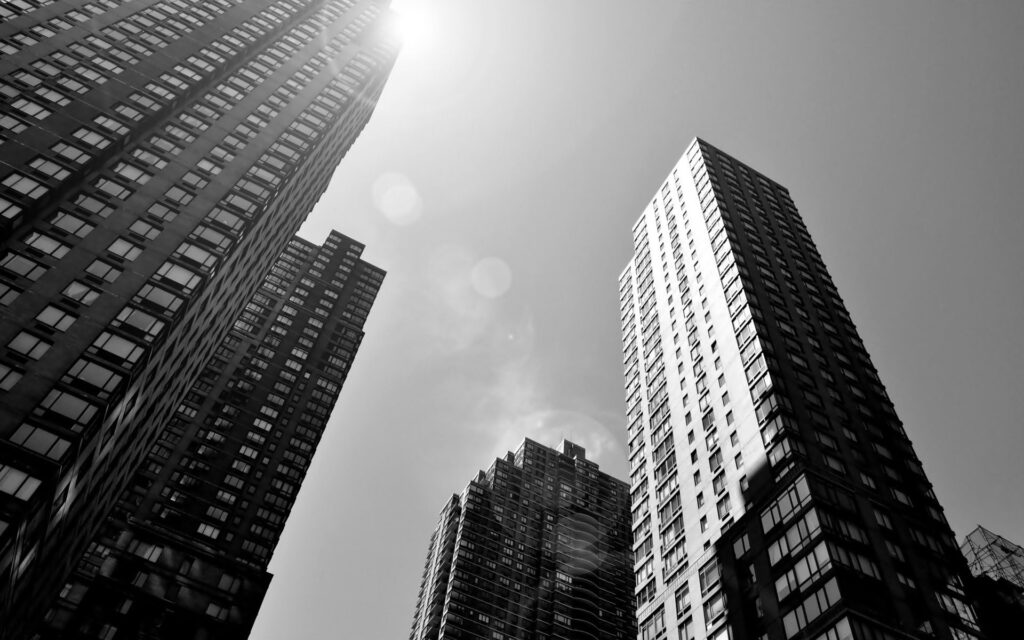
Real estate is often discussed through statistics, prices, and market indicators, but the meaning of property extends far beyond numerical measurements. Buildings, neighborhoods, and communities represent much more than financial values. They reflect history, culture, human needs, and the ways societies organize their environments. Looking at real estate beyond market numbers allows us to understand the deeper connections between spaces and the people who use them.
Market data can provide important information about changes in real estate, but numbers alone cannot fully explain why certain places become meaningful. A home is not only defined by its size, location, or construction details. It can represent memories, personal experiences, and a sense of belonging. Similarly, neighborhoods are shaped not only by property characteristics but also by relationships, traditions, and shared identities.
The history of a place often plays a significant role in its character. Many communities develop unique identities through decades or even centuries of transformation. Historic buildings, traditional architectural styles, and established public spaces can tell stories about previous generations. Understanding these elements helps reveal why certain areas become important parts of cultural and social landscapes.
Real estate is also closely connected to the way communities develop. The design of neighborhoods influences how people interact with each other and how they experience daily life. Streets, parks, public buildings, and residential areas create environments where social connections can grow. The organization of physical spaces can encourage communication, accessibility, and a stronger sense of community.
Architecture provides another perspective on real estate beyond financial measurements. Buildings reflect the ideas, technologies, and priorities of the time in which they are created. A modern structure may demonstrate innovation and efficiency, while an older building may represent historical craftsmanship and cultural significance. Each style contributes to the broader story of how people design spaces for living and working.
Environmental considerations have also expanded the way people think about real estate. Properties are increasingly viewed as part of larger ecosystems that include natural surroundings, energy use, and resource management. Sustainable approaches encourage communities to consider how buildings affect the environment and how thoughtful design can create healthier spaces for future generations.
The relationship between people and places is another important aspect of real estate. Different individuals and communities have different ideas about what makes a space valuable. For some, accessibility and connection to urban activities are essential. For others, privacy, natural surroundings, or community atmosphere may be more important. These diverse perspectives show that the meaning of property depends on human experiences as much as physical characteristics.
Real estate also reflects broader social changes. As lifestyles evolve, the spaces people need and prefer continue to change. The growth of remote work, shifting family structures, and new approaches to community living influence how homes and workplaces are imagined. These changes demonstrate that real estate is a living process connected to the development of society itself.
Education and understanding play an important role in viewing real estate from a wider perspective. Learning about architecture, planning, history, and community development helps people recognize the many factors that shape the places around them. Real estate becomes more meaningful when considered as a combination of physical design, human activity, and cultural influence.
Cities and towns are constantly evolving, and real estate is part of this ongoing transformation. New buildings appear, older structures are renovated, and neighborhoods adapt to changing circumstances. These processes are not only about economic activity but also about preserving identity, creating opportunities, and responding to the needs of residents.
The future of real estate will likely continue moving beyond traditional measurements. While market information will remain an important part of understanding properties, broader questions about sustainability, community, design, and human experience will become increasingly significant. The value of a place will continue to include both measurable characteristics and the less visible qualities that make spaces meaningful.
Real estate beyond market numbers encourages a deeper appreciation of the environments people create and inhabit. Properties are connected to personal stories, social development, and cultural progress. By exploring these broader perspectives, we can better understand why places matter and how they contribute to the experiences of individuals and communities.